01Food
Regenerative food systems
Primary production, ingredients, processing and differentiated market-ready products shaped by each landscape.

Humus develops businesses around what each landscape can support best. The categories are intentionally broad: land, markets and long-term partnerships determine what should be built.


Humus can build several connected revenue streams around one landscape. The goal is not diversification for its own sake, but a stronger operating system with better use of land, infrastructure, biological outputs and market access.
Primary production, ingredients, processing and differentiated market-ready products shaped by each landscape.
High-value biological production where agronomy, quality, traceability and buyer relationships can extend from medicinal and aromatic plants into validated health and nutraceutical applications.
Traceable biological feedstocks connecting land management to textile value chains and longer-term industrial partnerships.
Regenerative forestry, timber and biological materials connecting natural capital to the built environment.
Farm-as-a-Service, transition planning and field execution for owners and long-term capital partners.
Hospitality rooted in productive landscapes, local culture, food and place.
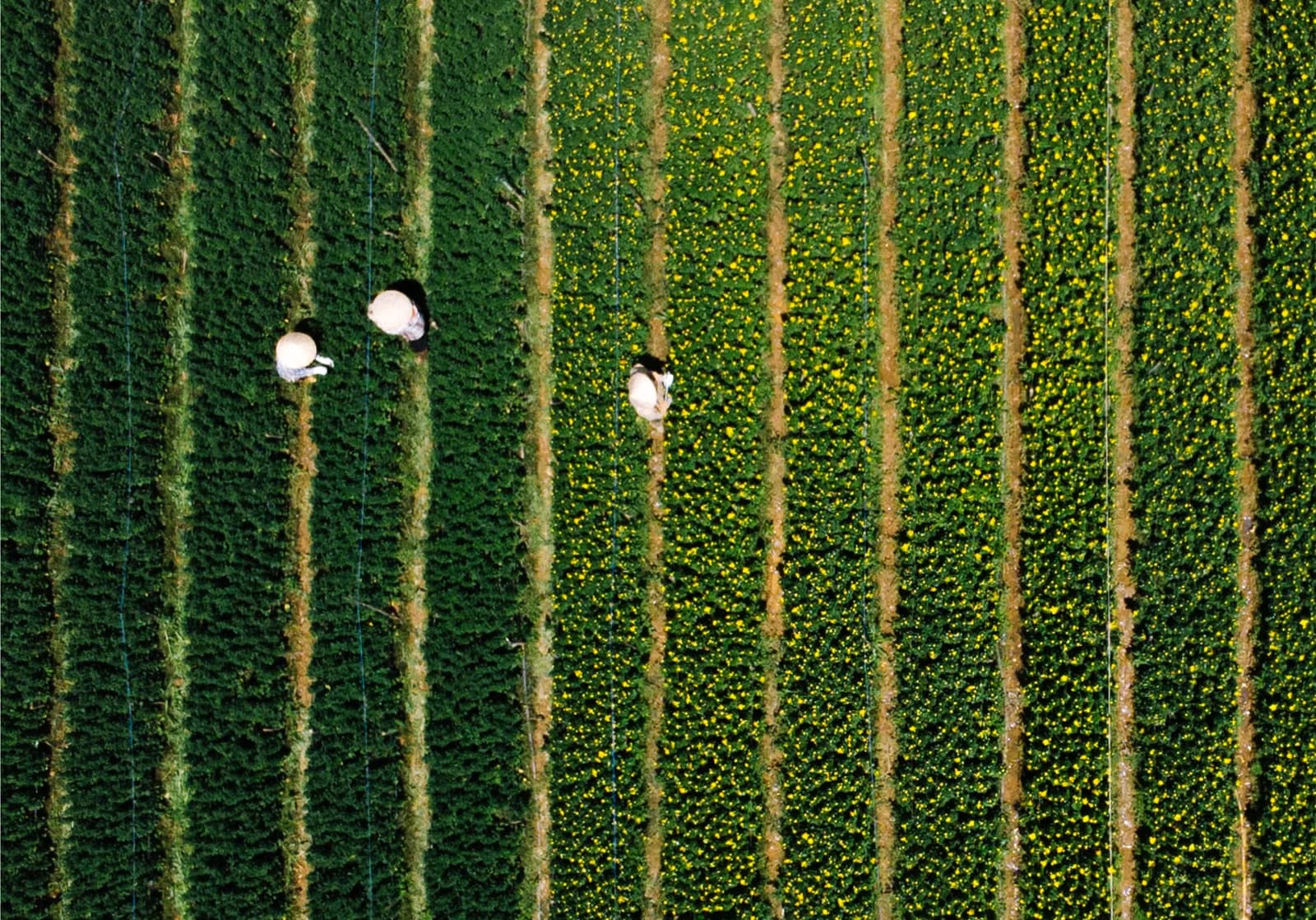
Land becomes strategically stronger when more of its biological potential is connected to durable markets.