01Land
Start with the landscape.
Humus originates, partners with or manages selected agricultural and forestry opportunities. Each landscape is assessed through ecology, production, infrastructure, market access and long-term strategic potential.

Humus combines land origination, regenerative operations, biological production and connected markets in one operating model. The objective is to improve how landscapes perform while building durable economic value around them.
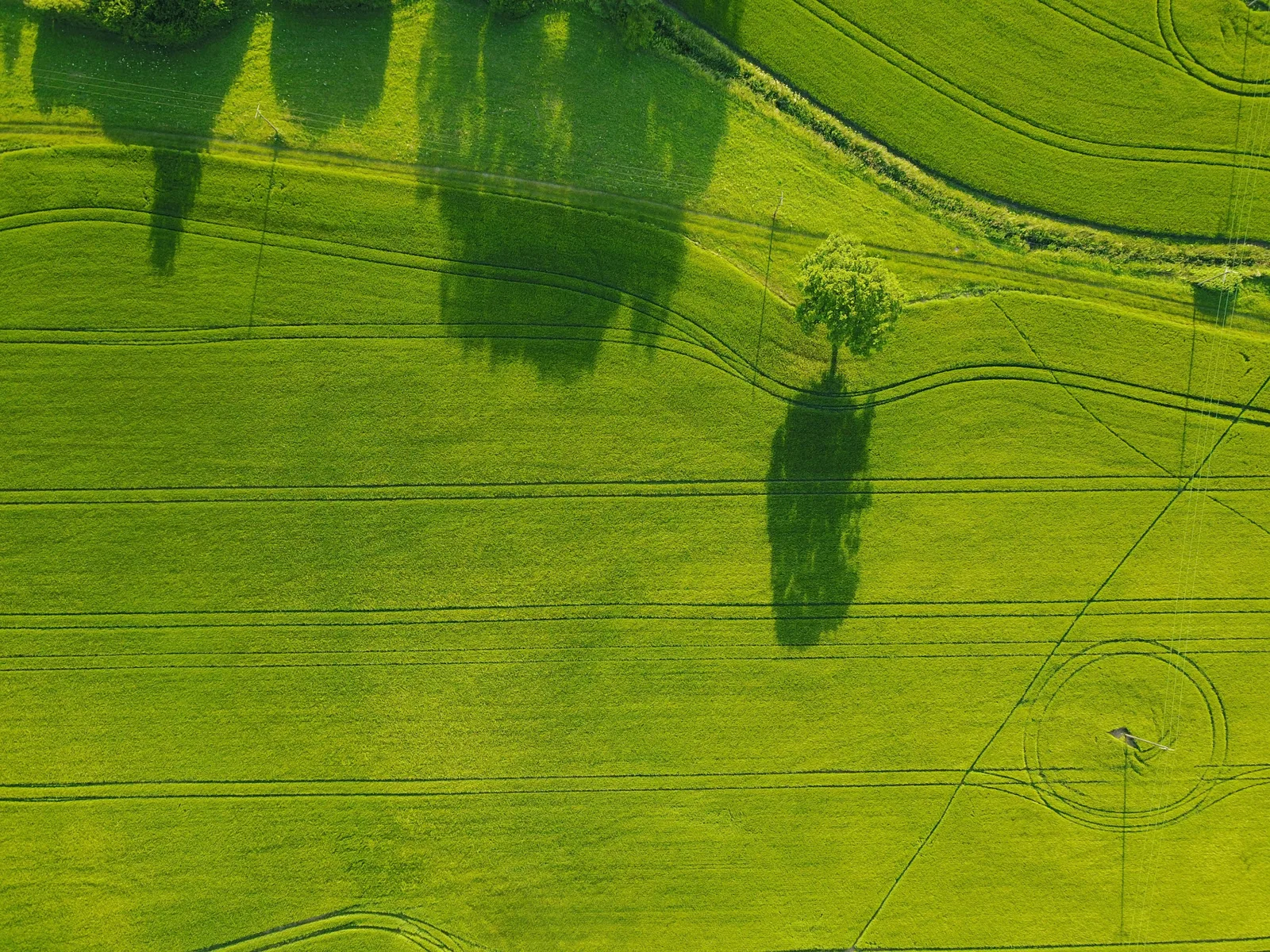
Humus links land, regeneration, production and markets in one operating system rather than treating them as separate workstreams.
Humus originates, partners with or manages selected agricultural and forestry opportunities. Each landscape is assessed through ecology, production, infrastructure, market access and long-term strategic potential.
Soil, water cycles, biodiversity and resilience are operating fundamentals. Regeneration shapes how the asset is managed and how future production systems are designed.
Production choices should reflect the strengths of the place rather than force every asset into the same template. Food, herbs, fibres, timber and other biological outputs can all sit within the Humus model.
Humus connects land to processing, brands, industrial partners, hospitality and off-take so more value, traceability and resilience can remain around the landscape.
Stronger operations, differentiated markets, lower resource dependency and improved asset quality can reinforce resilient cash flows and long-term land value without separating economics from landscape health.
A landscape becomes more valuable when the operating system around it becomes stronger.